The acceleration of the global clean energy transition has moved beyond the realm of climate advocacy and into the center of the global financial architecture. As of 2026, the capital requirements for achieving a net-zero trajectory are estimated to exceed $4 trillion annually, necessitating a profound shift in how strategic investments are structured and deployed. We are witnessing a transition from venture-led speculative funding toward large-scale institutional capital flows, characterized by a sophisticated blend of public de-risking and private sector agility. This investment surge is no longer concentrated solely in renewable generation but is increasingly targeting the critical “enablers” of the transition: grid infrastructure, battery storage, and the decarbonization of hard-to-abate industrial sectors.
A defining trend in the 2025–2026 investment landscape is the rise of “Blended Finance” models. Recognizing that the highest potential for renewable growth exists in emerging markets—which often face higher cost-of-capital hurdles—multilateral development banks and sovereign wealth funds are providing first-loss guarantees and concessional lending. These instruments are designed to “crowd-in” private commercial banks by mitigating perceived political and currency risks. In Southeast Asia, specifically within the framework of Just Energy Transition Partnerships (JETP), these strategic investments are facilitating the early retirement of coal-fired assets while simultaneously funding the massive build-out of solar-plus-storage hybrids. This synchronized capital deployment ensures that the energy transition is not only fast but also economically stable.
Strategic investment is also pivoting toward the mid-stream and up-stream segments of the clean energy supply chain. Investors have realized that the primary bottleneck for the energy transition is not a lack of wind or solar capacity, but a deficit in processed materials and manufacturing hardware. Consequently, 2026 has seen a record volume of “Direct Equity” investments from automotive OEMs and energy utilities into mining and refining projects. By securing minority stakes in nickel, lithium, and copper operations, these downstream players are ensuring supply security while providing the upfront capital necessary for miners to adopt sustainable, ESG-compliant extraction technologies. This vertical integration is creating a more resilient investment ecosystem that is less susceptible to the wild price swings of the commodity spot markets.
The role of government policy in de-risking these investments cannot be overstated. Frameworks such as the U.S. Inflation Reduction Act, the EU’s Green Deal Industrial Plan, and Indonesia’s downstreaming mandates have provided the long-term “policy certainty” that institutional investors demand. These policies offer tax credits, production subsidies, and streamlined permitting processes that effectively lower the “green premium” of new technologies. For instance, strategic investments in green hydrogen and long-duration energy storage (LDES)—technologies that were once considered too risky for commercial lenders—are now seeing multi-billion dollar financial closes due to guaranteed offtake agreements and government-backed floor prices.
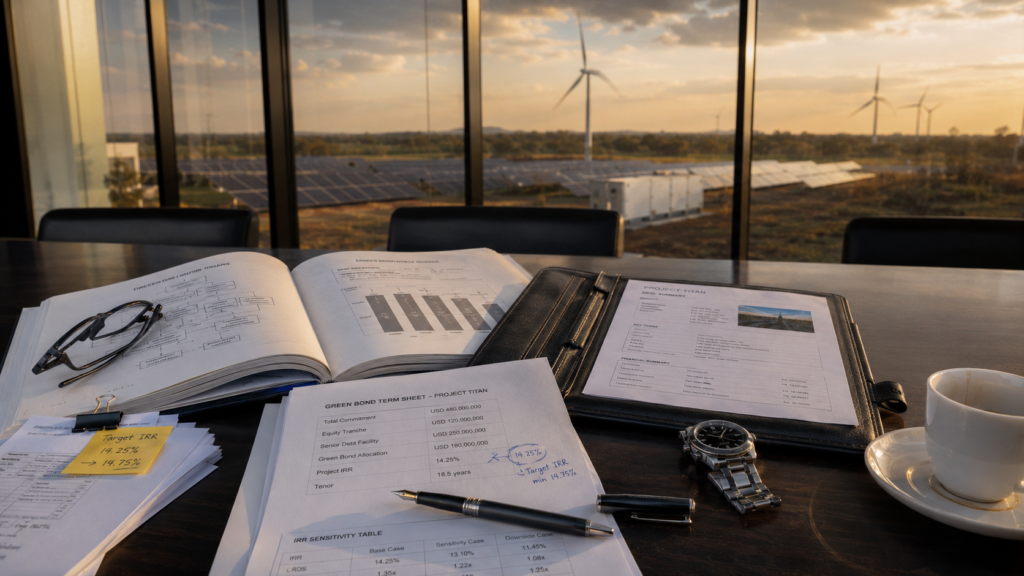
Furthermore, the “Quality over Quantity” mandate in investment has led to the universal adoption of rigorous ESG-linked financing. In 2026, the cost of capital is increasingly tied to a project’s carbon intensity and social impact. “Green Bonds” and “Sustainability-Linked Loans” have become the standard for funding energy infrastructure, requiring developers to provide real-time data on everything from biodiversity impact to local labor standards. This transparency is not just a regulatory hurdle; it is a strategic tool that reduces long-term operational risk and ensures that the clean energy transition enjoys broad social and political support.
As the International Battery Summit 2026 convenes, the focus remains on closing the “investment gap” that persists between current commitments and the 1.5°C pathway. The summit serves as the premier global platform where project developers meet the institutional investors who can provide the scale of capital required for the next decade. The dialogue here focuses on harmonizing global investment standards and identifying the next frontier of high-impact energy projects. IBS 2026 is the catalyst for these financial partnerships, ensuring that the capital of today is strategically aligned with the clean, sovereign, and sustainable energy systems of tomorrow. Through the strategic orchestration of these investment flows, we are turning the climate challenge into the greatest industrial opportunity of the 21st century.