
The global energy storage sector has long been defined by the dominance of lithium-ion chemistries, but as we move into 2026, the industrial narrative is shifting toward a more diversified and resilient technological portfolio. While lithium-ion remains the workhorse of the portable electronics and long-range electric vehicle (EV) markets, its limitations—ranging from supply chain concentration to inherent thermal stability risks—have paved the way for a “next-generation” breakthrough. We are no longer discussing these technologies as laboratory curiosities; we are witnessing their first major wave of commercial integration. Leading this charge are sodium-ion and solid-state batteries, two distinct pathways that together promise to redefine the benchmarks of energy density, safety, and cost-efficiency.
Sodium-ion (Na-ion) technology has emerged as the most immediate and formidable complement to the lithium-ion ecosystem. Driven by the “lithium price shock” of previous years, major manufacturers like CATL and BYD have successfully transitioned sodium-ion into GWh-scale production. As of mid-2026, the “Naxtra” platform and similar second-generation sodium chemistries are achieving energy densities of up to 175 Wh/kg—a figure that directly rivals traditional Lithium Iron Phosphate (LFP) cells. The value proposition of sodium is rooted in its abundance and superior performance in extreme conditions. Recent industry data shows that sodium-ion cells can retain over 90% of their capacity at temperatures as low as -20°C, a feat currently unattainable for standard lithium-ion variants. With cost parity projected to hit the $70/kWh mark this year, sodium-ion is rapidly securing its place in stationary energy storage and urban micro-mobility, offering a strategic hedge against mineral volatility.
In parallel, the quest for the “holy grail” of battery tech—the all-solid-state battery (ASSB)—has moved into a critical phase of production validation. By replacing the flammable liquid electrolyte with a stable solid-state ionic conductor, these batteries eliminate the primary cause of thermal runaway while unlocking the potential for energy densities exceeding 400 Wh/kg. The year 2026 marks a significant milestone in this timeline, as motorcycle manufacturers like Verge and automotive giants like SAIC begin rolling out production-ready models featuring semi-solid-state configurations. While full mass-market penetration for all-solid-state EVs is still projected for the 2027–2030 window, the current deployment of polymer-inorganic composite electrolytes signals that the “production hell” of interfacial resistance and dendrite formation is finally being overcome through advanced high-throughput manufacturing.
The implications of these technologies extend far beyond vehicle range. The rise of sodium-ion, in particular, offers a unique opportunity for emerging battery hubs like Indonesia to diversify their industrial base. While Indonesia’s current strengths lie in the nickel-rich NMC (Nickel Manganese Cobalt) supply chain, the integration of sodium-based stationary storage could revolutionize the nation’s archipelago-wide microgrid infrastructure. The inherent safety of these next-gen chemistries reduces the complexity and cost of Battery Management Systems (BMS), making them ideal for high-density urban environments and remote renewable energy installations where maintenance access is limited.
However, the transition to these new chemistries requires a synchronized evolution of standards and regulations. As these technologies move from pilot lines to consumer markets, the industry must establish new protocols for testing, shipping, and end-of-life recycling. Unlike lithium-ion, sodium-ion cells can be discharged to zero volts for completely safe transport, a logistical advantage that could significantly lower global insurance and shipping premiums. This regulatory frontier is currently being mapped by international bodies, and the outcomes will determine how quickly these innovations can scale across borders.
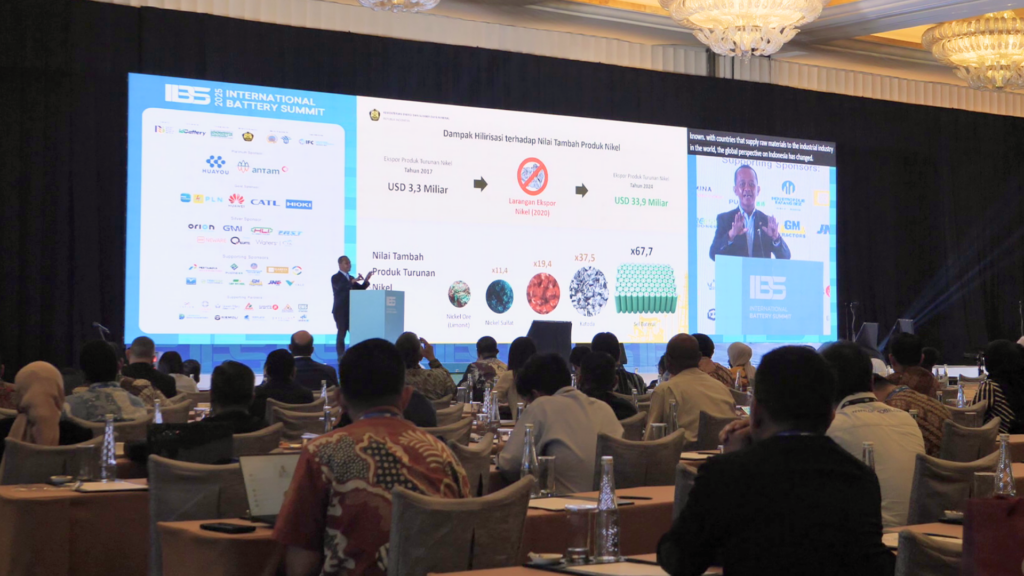
As the International Battery Summit 2026 unfolds, the focus is squarely on this transition from a lithium-centric past to a multi-chemistry future. The summit serves as the critical junction where technology developers meet the policymakers and investors who will fund the next generation of Gigafactories. Whether it is the cost-disruption of sodium or the high-performance promise of solid-state, the innovations discussed here are the building blocks of a truly sustainable and sovereign energy landscape. IBS 2026 provides the essential platform for the collaboration required to turn these technical milestones into a global industrial reality.