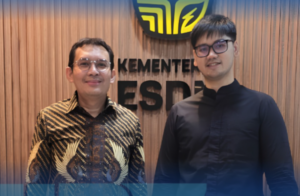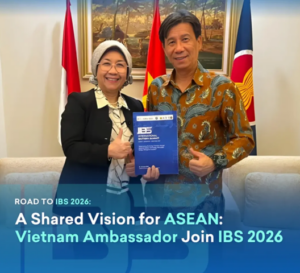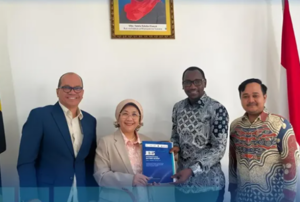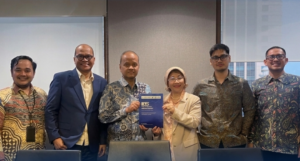
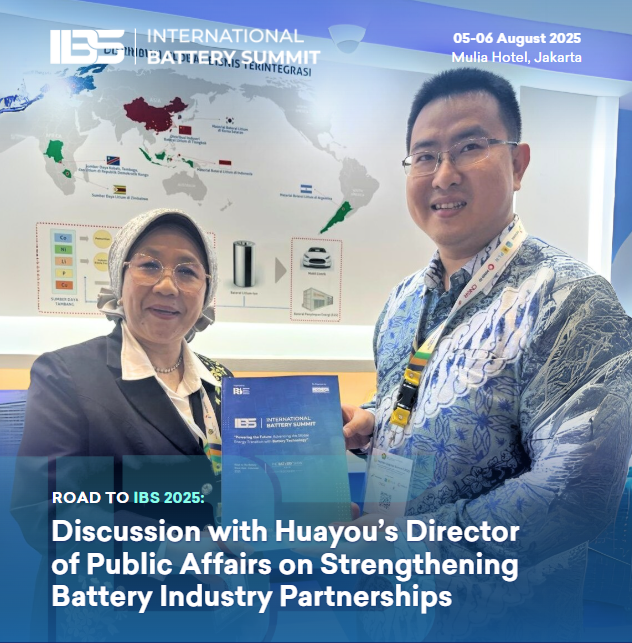
As part of the Road to the International Battery Summit (IBS) 2025, the National Battery Research Institute (NBRI) held a strategic discussion with the Director of Public Affairs of the Zhejiang Huayou Cobalt Co., Ltd. to explore potential partnerships and strengthen collaboration in support of Indonesia’s rapidly expanding battery ecosystem.
The meeting provided an opportunity to exchange perspectives on the future of the global battery industry and the strategic role of Indonesia in the clean energy transition. Discussions centered on several key priorities, including sustainable sourcing of critical minerals, local capacity building, technology and knowledge transfer, and fostering collaborative innovation across the entire battery value chain.
Both parties recognized the importance of developing a resilient, responsible, and competitive battery ecosystem that integrates Environmental, Social, and Governance (ESG) principles while supporting Indonesia’s industrial downstreaming agenda. The dialogue also highlighted the need for stronger cooperation among industry players, research institutions, and policymakers to accelerate the development of advanced battery technologies and sustainable manufacturing capabilities.
During the meeting, Huayou reaffirmed its commitment to contributing to Indonesia’s ambition of becoming a global hub for battery production and green industrial development. The company expressed its interest in strengthening partnerships that promote innovation, investment, and long-term sustainability within Indonesia’s battery and electric vehicle (EV) sectors.
As the Road to IBS 2025 progresses, this engagement represents another important milestone in building strategic international partnerships and strengthening industry collaboration. Through initiatives such as these, IBS 2025 continues to position itself as a premier platform for dialogue, innovation, and cooperation, bringing together global stakeholders to shape the future of battery technology, critical minerals, and sustainable energy development.