
The rapid industrialization of the battery and renewable energy sectors has reached a critical bottleneck that cannot be solved by capital investment or mineral extraction alone: the shortage of specialized human capital. As of 2026, the transition from a resource-based economy to a high-technology manufacturing hub requires a fundamental reconfiguration of the labor market. The “Green Jobs” revolution is no longer a distant projection; it is a current industrial reality that demands a workforce proficient in electrochemistry, advanced materials science, automated manufacturing, and complex system integration. For nations like Indonesia, which are positioning themselves as global battery leaders, the development of human capital is the ultimate determinant of whether national industrial visions will achieve long-term sustainability.
The scale of the requirement is unprecedented. Global analysts estimate that by 2030, the battery value chain will require an additional 10 million workers worldwide, ranging from specialized chemical engineers to certified technicians capable of managing high-voltage systems. In 2026, we are seeing the emergence of “Battery Academies” and specialized vocational training centers that bridge the gap between traditional engineering and the specific needs of the Gigafactory era. These programs are characterized by their agility, often co-developed by industry leaders and academic institutions to ensure that the curriculum keeps pace with the rapid evolution of battery chemistries and manufacturing processes, such as dry electrode coating and high-pressure acid leaching (HPAL).
A defining feature of human capital development in 2026 is the emphasis on certification and standardization. As battery systems become more integrated into the public infrastructure—from electric buses to grid-scale storage—the need for standardized safety and maintenance protocols is paramount. The industry is moving toward a “Global Competency Framework,” which ensures that a technician certified in Jakarta or Morowali possesses the same high-level skills as their counterparts in Berlin or Seoul. This standardization is critical for building consumer trust and ensuring the operational safety of the e-mobility ecosystem. Furthermore, it facilitates the cross-border mobility of talent, allowing for a more fluid and resilient global expertise pool.
Beyond technical proficiency, the 2026 landscape demands a “multi-disciplinary” approach to education. The next generation of energy leaders must be as comfortable with ESG (Environmental, Social, and Governance) frameworks and carbon accounting as they are with ion transport theory. This shift is driven by the implementation of the Digital Battery Passport and global transparency mandates, which require every level of the workforce to understand the ethical and environmental implications of the supply chain. Consequently, management training within the renewable sector is increasingly focused on circular economy principles, ensuring that sustainability is integrated into the very DNA of industrial operations.
The Indonesian context provides a compelling case study for the strategic importance of localized talent. By integrating vocational training directly into industrial parks, the government is ensuring that local communities are primary beneficiaries of the downstreaming mandate. This strategy mitigates the risk of “enclave industrialization” and fosters a robust domestic ecosystem capable of not only operating foreign technologies but eventually innovating and patenting indigenous solutions. The goal for 2026 is the transition from “Operational Competence” to “Innovative Leadership,” where domestic engineers are at the forefront of developing next-generation chemistries, such as sodium-ion or solid-state variants, tailored for tropical climates and unique geographic needs.
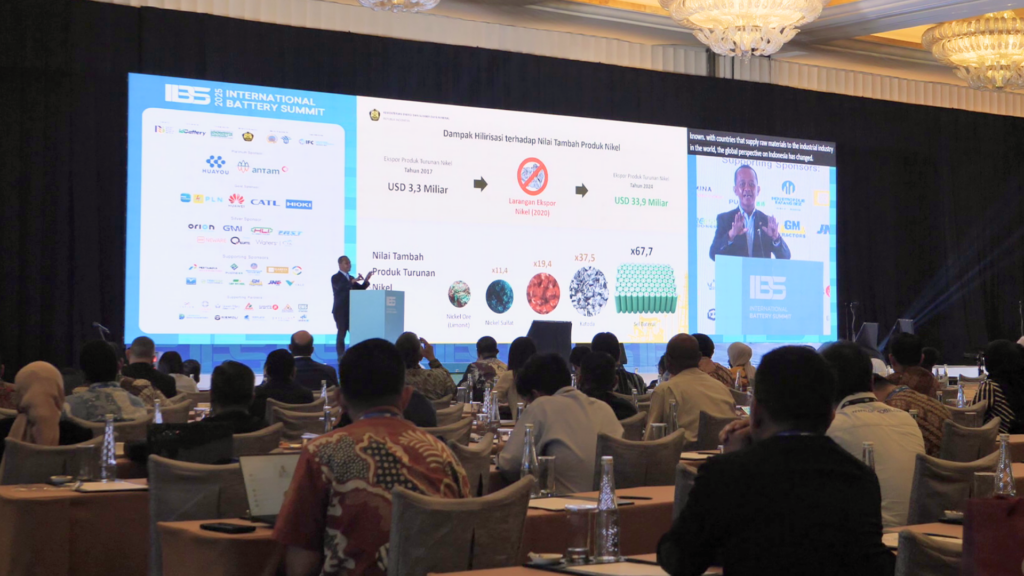
As the International Battery Summit 2026 convenes, the dialogue on human capital takes center stage as a strategic pillar of the energy transition. The summit provides the essential platform for educators, industry executives, and policymakers to align their roadmaps for talent development. The transition to clean energy is, at its heart, a human-centric endeavor. Without a skilled, certified, and innovative workforce, the sophisticated machines and advanced materials of the battery era cannot reach their full potential. IBS 2026 serves as the catalyst for the partnerships and educational initiatives required to empower the workforce of the future, ensuring that the global energy transition is powered by human ingenuity as much as by technical excellence.