As the global energy transition accelerates toward the mid-2020s, the primary challenge has shifted from the generation of green electrons to the stabilization of the systems that carry them. The inherent intermittency of solar and wind power—the “duck curve” phenomenon—has moved from a theoretical modeling problem to a daily operational reality for grid operators. By 2026, the integration of Renewable Energy (RE) and Battery Energy Storage Systems (BESS) is no longer viewed as a supplementary luxury but as the fundamental architecture of a modern, decarbonized power sector. The success of the net-zero mission now rests on the industry’s ability to create a seamless, responsive interface between volatile supply and fluctuating demand.
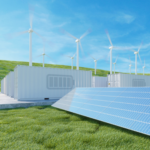
At the heart of this integration is the rapid scaling of Long-Duration Energy Storage (LDES). While short-duration lithium-ion batteries have successfully mastered frequency regulation and ancillary services, the 2026 grid requires systems capable of shifting energy across days rather than hours. We are seeing a diversified technology mix—including flow batteries, compressed air, and advanced thermal storage—entering the commercial mainstream to provide the multi-hour discharge cycles necessary to backstop periods of low renewable output. These technologies are providing the “baseload” characteristics once reserved for coal and gas, allowing for higher penetration of renewables without compromising grid reliability or increasing curtailment rates.
The synchronization of these assets is being managed through the rise of Virtual Power Plants (VPPs) and AI-driven grid orchestration. In 2026, the grid is becoming increasingly decentralized, with millions of “prosumers” contributing power from rooftop solar and parked electric vehicles (EVs). Through Vehicle-to-Grid (V2G) technology and coordinated BESS clusters, grid operators can now tap into a distributed reservoir of energy to shave peak loads. This bidirectional flow of power transforms the battery from a passive consumer into an active grid asset. Recent pilot programs in Southeast Asia and Europe have demonstrated that coordinated V2G integration can reduce the need for peaking plant activation by up to 25%, significantly lowering the carbon intensity of the total energy mix.
For archipelagic nations like Indonesia, grid integration takes on a unique geographic dimension. The “Nusantara Grid” vision emphasizes the role of microgrids in bridging the energy access gap in remote regions. By pairing localized solar arrays with robust storage units, Indonesia is bypassing the need for expensive, carbon-heavy undersea cables in many areas. These microgrids serve as “resiliency islands,” capable of operating independently during wider grid disturbances while contributing to national stability when connected. The focus has shifted toward “Smart Inverters” and advanced Battery Management Systems (BMS) that can maintain voltage and frequency stability in these isolated environments, ensuring that the transition to renewables does not come at the cost of energy security.
Regulatory frameworks and market designs are also evolving to keep pace with these technical advancements. As of 2026, many jurisdictions have implemented “time-of-use” pricing and capacity markets that explicitly reward the flexibility provided by storage. This policy shift is attracting significant private investment, as the business case for BESS moves beyond simple arbitrage into high-value grid-balancing services. Furthermore, the standardization of interconnection protocols is reducing the “soft costs” and lead times for new storage projects, allowing for the rapid deployment cycles required to meet 2030 climate targets.
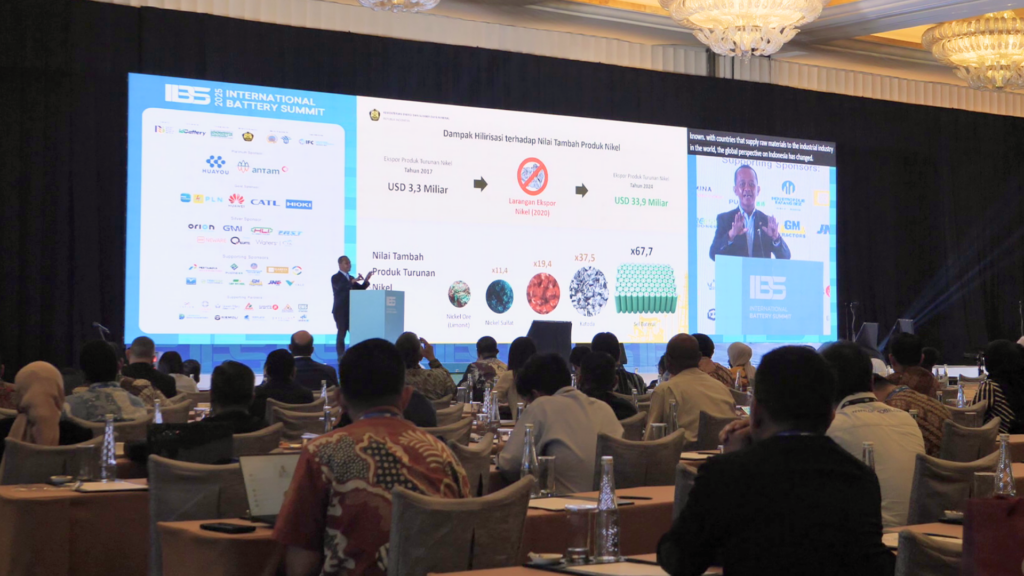
As the International Battery Summit 2026 convenes, the dialogue focuses on the critical intersection of storage capacity and grid intelligence. The summit provides a vital platform for utility leaders, technology developers, and regulators to align on the technical standards and investment models that will define the next generation of power systems. The integration of renewable energy and storage is the ultimate test of our industrial ingenuity, and IBS 2026 is the forum where the solutions for a stable, green, and sovereign energy future are being solidified. Through collective action and technological excellence, we are turning the challenge of intermittency into the opportunity for a more resilient global grid.