

As the global battery market matures into a multi-terawatt industry, the lack of a synchronized regulatory architecture has transitioned from a minor logistical hurdle to a significant barrier to trade. In 2026, the industry has reached a consensus: the transition to a net-zero future requires more than just high-performance chemistry; it requires a unified global language for safety, traceability, and logistics. The alignment of international standards—such as UNR 100 and UNR 136—with the emerging Digital Battery Passport mandate is creating a transparent and secure ecosystem that ensures Indonesian-made batteries can flow seamlessly into European, North American, and Asian markets without technical friction.
The cornerstone of this alignment is the implementation of the Digital Battery Passport. Driven by the EU Battery Regulation and increasingly adopted by other major jurisdictions, this digital twin provides a comprehensive, blockchain-verified record of a battery’s entire lifecycle. By 2026, the passport is no longer just a sustainability report; it is a critical safety and logistical tool. It integrates real-time data on mineral provenance, carbon footprint, and State of Health (SoH), allowing customs officials, logistics providers, and first responders to access vital safety information via a simple QR code. This transparency is essential for “Circular Economy” goals, ensuring that at the end of its life, a battery’s chemical composition is known exactly, facilitating safe and efficient recycling or second-life repurposing.
Safety standards serve as the bedrock upon which this digital infrastructure is built. In 2026, the industry has moved toward the universal adoption of rigorous testing protocols for thermal runaway, mechanical integrity, and electrical safety. For Indonesia, the harmonization of National Standards (SNI) with international benchmarks like the United Nations Regulations has been a strategic priority. This alignment ensures that domestic manufacturers are producing cells and packs that meet the most stringent global criteria for vibration resistance, crush testing, and fire safety. These standards are not static; they are evolving to include the unique characteristics of next-generation chemistries, such as the increased stability of solid-state systems and the specific discharge requirements of sodium-ion batteries.
Logistics and transportation represent the final, often overlooked, piece of the alignment puzzle. Lithium-ion batteries are classified as Class 9 Dangerous Goods, and their movement across borders is governed by strict UN 38.3 testing and packaging requirements. In 2026, the integration of Battery Passport data with logistical management systems is revolutionizing the supply chain. Carriers can now verify the safety status and “State of Charge” (SoC) of a shipment in real-time, significantly reducing the risks associated with maritime and air transport. Furthermore, the push for standardized “Smart Packaging” and automated handling protocols is lowering insurance premiums and reducing the lead times that have historically plagued the global battery trade.
The convergence of these four pillars—standards, passports, logistics, and safety—is creating a “Quality Infrastructure” that protects both consumers and the environment. For emerging battery hubs, this alignment is a prerequisite for high-level diplomacy and strategic investment. Investors are increasingly prioritizing projects that demonstrate “compliance-by-design,” where safety and traceability are integrated into the manufacturing process from the outset. This holistic approach mitigates the risk of stranded assets and ensures that the massive capital expenditures in Gigafactories are protected against future regulatory shifts.
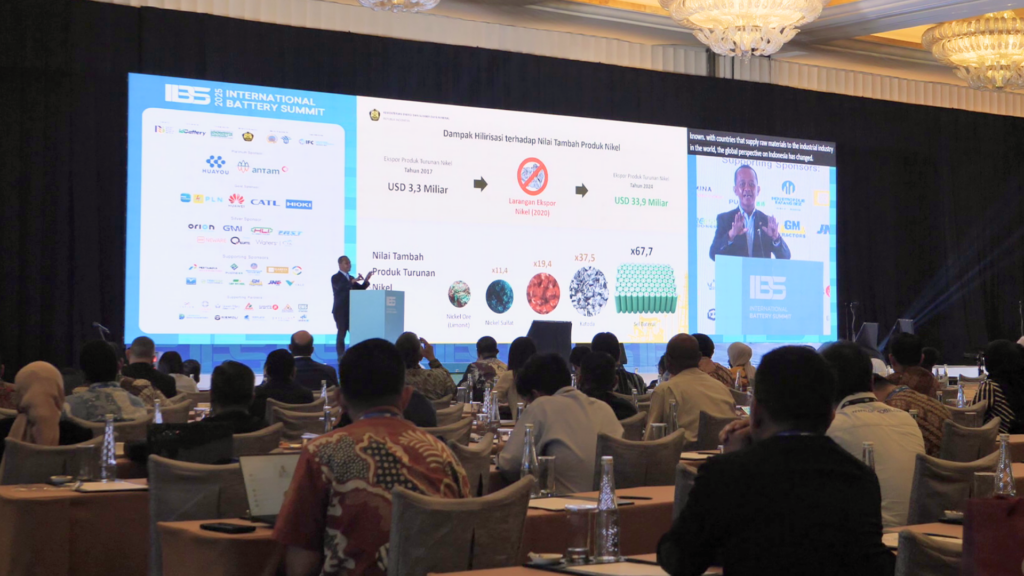
As the International Battery Summit 2026 convenes, the focus is squarely on the execution of this unified framework. The summit serves as the premier global platform for regulators, industry leaders, and logistical experts to synchronize their roadmaps. The challenge for 2026 is to ensure that as the industry scales, the standards of safety and transparency do not diminish. IBS 2026 is where the protocols for this integrated future are being finalized, providing the definitive stage for the partnerships required to build a secure, sovereign, and sustainable battery ecosystem. By aligning these critical elements, we are not just moving energy; we are building a global foundation for trust in the energy transition.