
In the contemporary global order, the architecture of international diplomacy is being fundamentally reshaped by the requirements of the energy transition. As nations race to secure the critical minerals essential for the next generation of energy storage, the battery supply chain has transitioned from a purely commercial concern to a primary instrument of high-level statecraft. By 2026, the concept of “Resource Diplomacy” has matured into a sophisticated framework where mineral-rich nations and technology-leading economies negotiate complex alignments to ensure collective energy security. In this landscape, the ability to navigate the geopolitical tensions of the battery supply chain is as critical to a nation’s sovereignty as traditional defense or trade policy.
A defining characteristic of this new era of diplomacy is the shift from globalization to “friend-shoring” and the formation of strategic “Mineral Clubs.” As of 2026, we are seeing the emergence of powerful bilateral and multilateral agreements—such as the Minerals Security Partnership (MSP) and revamped ASEAN-wide resource frameworks—designed to create transparent, resilient, and ESG-compliant supply corridors. These diplomatic alignments are explicitly intended to reduce over-reliance on single-source suppliers and to mitigate the risks of export restrictions. For major players like the United States, the European Union, and China, the diplomatic focus has moved toward securing “upstream” access through long-term infrastructure-for-minerals deals, often involving the deployment of sovereign wealth funds to guarantee project bankability in emerging markets.
Indonesia has emerged as a central protagonist in this high-level diplomatic theater. Leveraging its position as the custodian of the world’s largest nickel reserves, the Indonesian government has moved beyond simple trade to practice “Strategic Autonomy.” By 2026, Indonesia’s diplomacy is characterized by a “multi-vector” approach, securing technology transfers and Gigafactory investments from both Western and Eastern partners. This strategy has allowed the nation to successfully navigate the complexities of the U.S. Inflation Reduction Act (IRA) and European sustainability mandates, positioning Indonesian nickel as a neutral, “green-certified” global commodity. This brand of diplomacy demonstrates how mineral-rich nations can utilize their natural endowments to command a seat at the table of global industrial governance.
The diplomatic discourse of 2026 is also increasingly dominated by the standardization of “Critical Mineral Passports” and global traceability frameworks. High-level summits are now the primary venues for negotiating the technical and ethical benchmarks of the industry. The establishment of the Global Battery Alliance’s data standards has become a focal point of international negotiation, as nations seek to harmonize their recycling mandates and labor protections. This “Regulatory Diplomacy” ensures that the battery supply chain does not become a race to the bottom but rather a race toward the highest standards of transparency. The ability of a nation to comply with these international norms is now directly tied to its ability to attract foreign direct investment and secure preferential market access.
Furthermore, the role of diplomacy in the battery sector now extends to the management of “Technological Sovereignty.” As next-generation chemistries like sodium-ion and solid-state reach commercial maturity, international agreements are being forged to manage intellectual property and the cross-border movement of specialized talent. The diplomacy of 2026 is characterized by “Innovation Partnerships,” where nations co-fund R&D centers to solve shared bottlenecks in battery safety and recycling. These collaborations serve as a hedge against technological isolationism, ensuring that the benefits of the energy transition are shared across a more equitable global landscape.
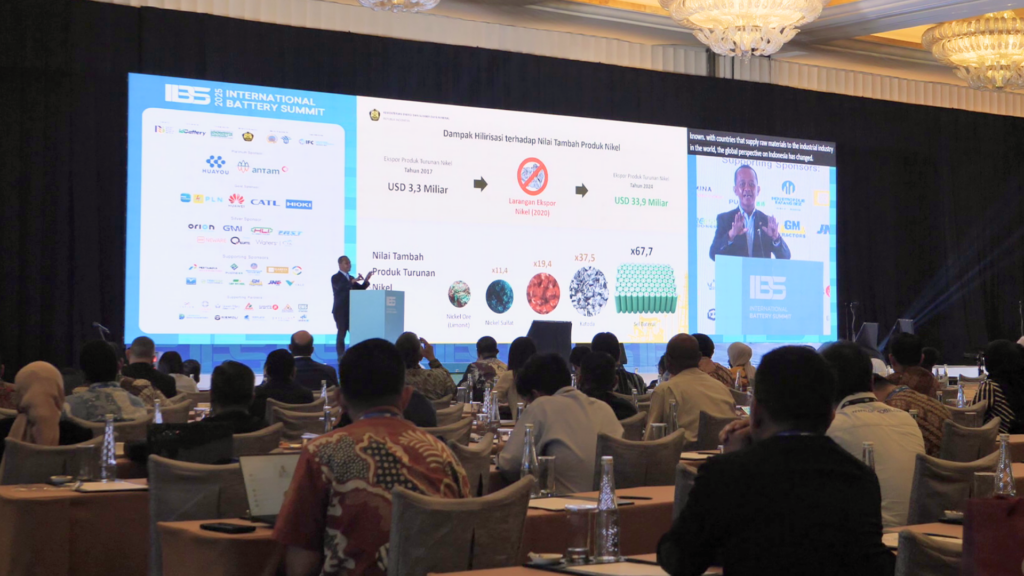
As the International Battery Summit 2026 convenes, the focus is squarely on these high-level diplomatic maneuvers. The summit provides the definitive stage for ministers, CEOs, and diplomats to synchronize their strategies for a secure and sovereign supply chain. In an era of shifting alliances and rapid technological change, the dialogues held here are the bedrock of global energy stability. IBS 2026 serves as the essential platform for the resource diplomacy required to navigate the complexities of the battery era, ensuring that the transition to a net-zero future is supported by a supply chain that is as politically stable as it is technologically advanced. Through the high-level engagement fostered at this summit, the industry is charting a course toward a cooperative and resilient global energy order.